
AI Receptionists for Immigration Law Firms: What They Should—and Should Not—Do
A practical guide to using voice AI for after-hours intake, scheduling, multilingual calls, and attorney handoffs without turning software into a source of legal advice.
The short answer
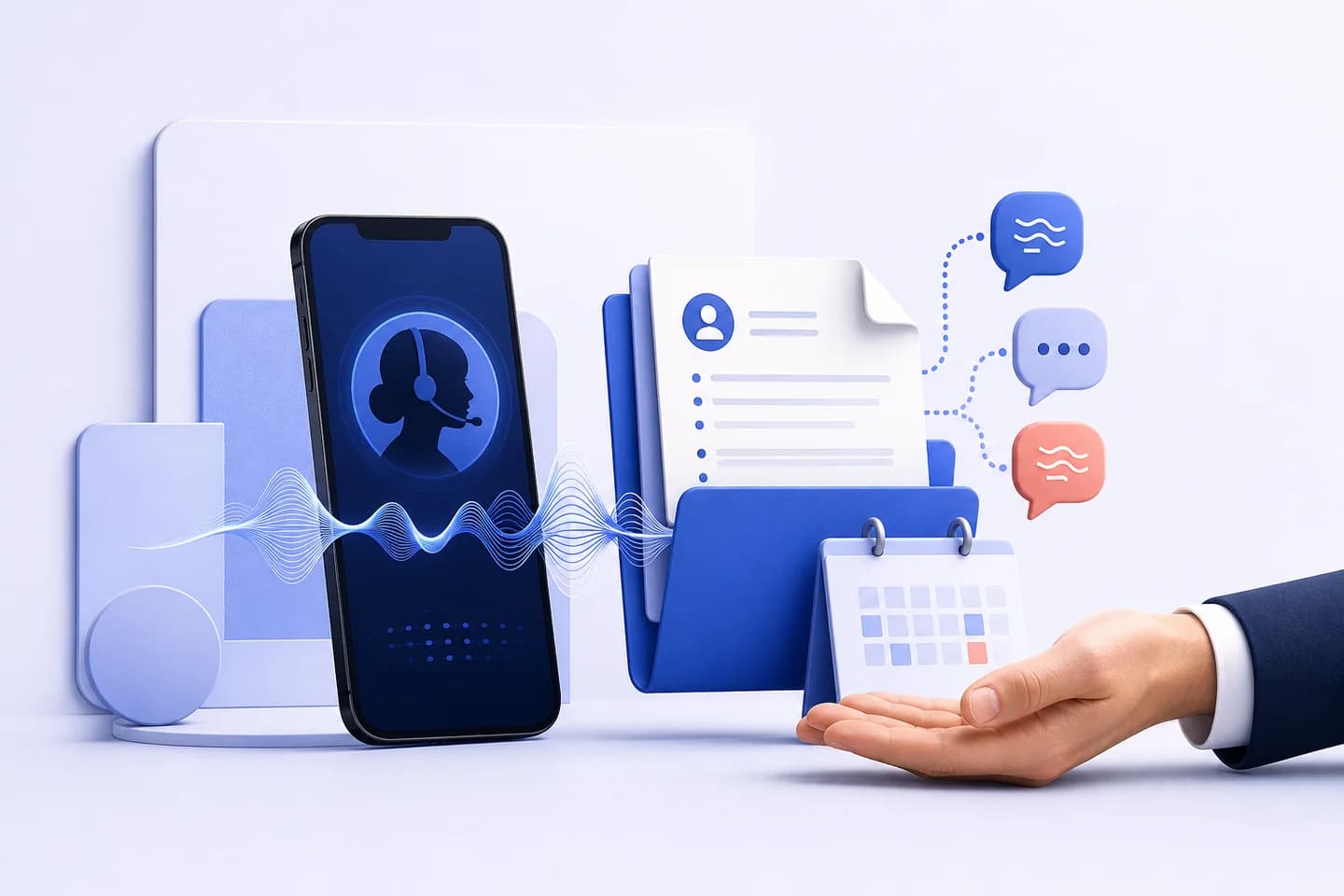
An AI receptionist can answer routine inbound calls, disclose that it is an automated assistant, collect approved intake information, schedule consultations, and alert a human when a call needs judgment. It should not interpret immigration law, predict outcomes, recommend a legal strategy, or imply that an attorney-client relationship already exists.
For a small immigration practice, the best first use is usually after-hours and overflow coverage—not replacing every human conversation.
A safe job description for voice AI
A useful receptionist follows a narrow, firm-approved workflow:
- Answer in the firm's name and disclose that the caller is speaking with an AI assistant.
- Identify the caller's preferred language.
- Collect contact details and the reason for the call.
- Ask only the intake questions approved by the firm.
- Flag urgent words or situations for immediate human review.
- Offer available consultation times.
- Send a structured summary to the firm's existing system.
The assistant gathers and routes information. The attorney evaluates the facts and provides legal advice.
Where immigration intake becomes difficult
Immigration calls are rarely tidy. A caller may switch languages, describe several family members, mention detention or a court date halfway through the conversation, or be unsure which documents they have. That means a rigid phone tree is not enough, but an unrestricted AI agent is not appropriate either.
The workflow needs clear escalation rules. Mentions of detention, removal proceedings, a hearing date, a filing deadline, threats, or immediate safety concerns should move the conversation to a human-defined urgent path. The system should record the caller's words accurately without deciding what the law means.
Multilingual intake needs human testing
Supporting a language in a product menu is not the same as delivering a trustworthy call. Before a firm enables a language, a fluent reviewer should test names, dates, addresses, accents, interruptions, legal vocabulary, and handoffs.
JurisVoice is designed around English and Spanish intake, with Arabic voice support treated as a tested, opt-in capability. A firm should enable only the languages it has reviewed and can support after the call.
Questions to ask before buying
- Does the assistant clearly identify itself as AI?
- Can the firm approve every intake question and escalation rule?
- What happens when the assistant is uncertain?
- Can urgent calls reach a person immediately?
- Where are transcripts and recordings stored?
- Can the system send structured intake data to the firm's case-management workflow?
- Can the firm review real test calls before going live?
A sensible rollout
Start with a small call category, such as after-hours new-client calls. Review every transcript during the pilot. Track incorrect fields, missed urgency signals, awkward language changes, and calls that should have reached a person sooner. Expand coverage only after the workflow is reliable.
The goal is not to make the AI sound impressive. The goal is to make sure every caller reaches the correct next step.
Sources and further reading
Source: Clio, AI integrations for law firms — https://www.clio.com/resources/ai-for-lawyers/law-firm-ai-integrations/
Source: American Bar Association, Formal Opinion 512 on generative AI tools — https://www.americanbar.org/content/dam/aba/administrative/professional_responsibility/ethics-opinions/aba-formal-opinion-512.pdf
Common questions
Frequently asked questions
What can an AI receptionist do for an immigration law firm?
An AI receptionist can answer routine calls, disclose that it is automated, collect firm-approved intake details, identify a caller's preferred language, schedule consultations, and route urgent or uncertain situations to a person. The firm should define every question, escalation rule, and handoff before the system goes live.
Can an AI receptionist give immigration legal advice?
No. An AI receptionist should gather and route information, not interpret immigration law, predict a case outcome, recommend a legal strategy, or suggest that an attorney-client relationship exists. Legal analysis and advice should remain with a qualified attorney after the firm reviews the caller's information.
Should immigration firms use AI for after-hours calls?
After-hours and overflow calls are a practical starting point because the workflow can be limited and reviewed. Begin with one call category, test English and Spanish calls with fluent reviewers, inspect every pilot transcript, and expand only after names, dates, urgency signals, and human handoffs are consistently reliable.